






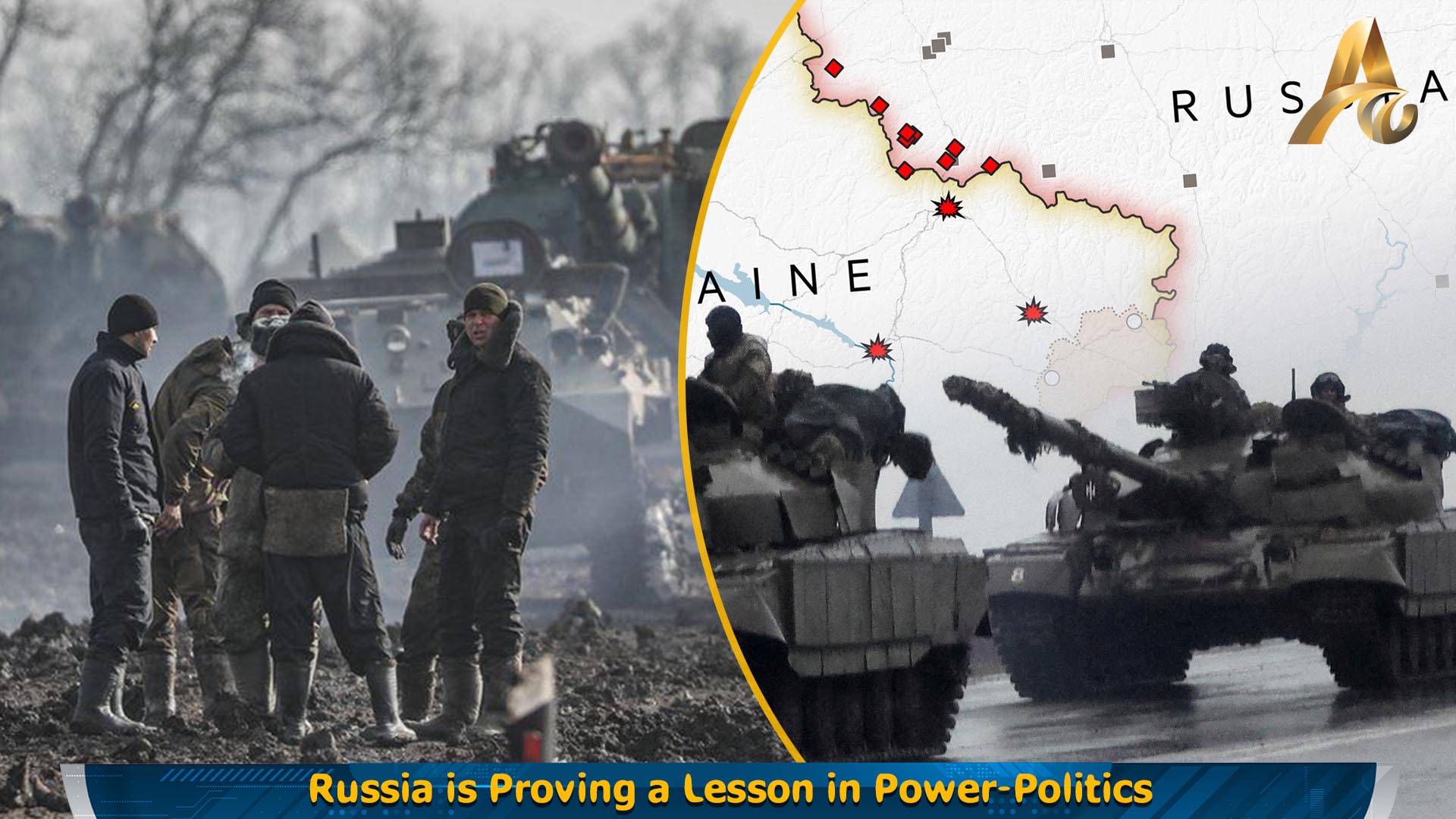








INTERNATIONAL: Russia’s invasion of Ukraine is forcing Western leaders to make some tough decisions. Now that U.S. President Joe Biden has banned imports of Russian oil, one of his problems is how to replace it. One possible source is Venezuela. But the regime of President Nicolás Maduro has been under U.S. sanctions since 2017. Softening them would amount to accepting the lesser of two evils, with Venezuelans as pawns.
U.S. officials have visited Caracas last weekend, the first such encounter in years, and discussed easing oil-related sanctions. Petróleos de Venezuela, the state-controlled energy giant, has the world’s largest crude reserves. Even though PDVSA’s output has dwindled, it could fairly easily replace the 245 million barrels of crude oil and related products that America sourced from Russia in 2021. That was 8 percent of total U.S. imports according to Energy Information Administration.
The talks made little headway, in one hint of a thaw in relations, the White House has said on Tuesday that two Americans who had been detained in Venezuela were returning to the United States. Yet the idea of dealing with Maduro is fraught with political and moral tension, in addition to the irony that America's imports of Russian crude has largely replaced what came from Venezuela until sanctions kicked in.
President Maduro, a socialist who has succeeded Hugo Chávez, has presided over the evaporation of three-quarters of Venezuela’s economic output since 2014 as well as the exodus of nearly a fifth of the population, which now numbers nearly 30 million. The United States recognizes opposition leader Juan Guaidó, not Maduro, as Venezuela’s legitimate president. And U.S. Senator Bob Menendez, the Democratic chair of the Senate Foreign Relations Committee, has said on Monday that purchasing Venezuelan oil could perpetuate the humanitarian crisis there. “We should not breathe new life into Maduro's reign of torture and murder,” Menendez has said in a statement.
Replacing Russian oil is, however, vital to limit the surge in U.S. gasoline prices, another political concern for Biden. Alternatives to Venezuela include Iran, which is under international sanctions for its nuclear ambitions and therefore raises similar concerns. The easiest option might be Saudi Arabia, if the kingdom will play ball. Either way, the imperative of taking on Russian President Vladimir Putin is proving a lesson in power-politics


Related News